
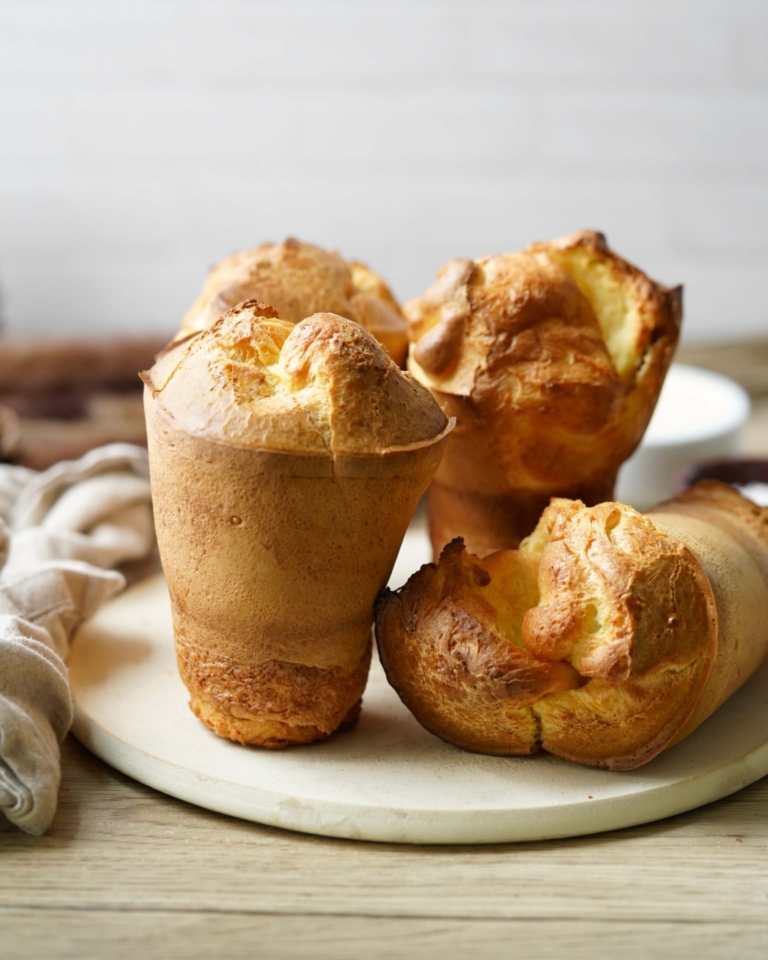
Step into the world of culinary magic with popovers — those tall, airy pastries that defy gravity and logic in the most delicious way. Similar to Yorkshire pudding, popovers first rose to fame in England before floating their way across the Atlantic, where they captured American hearts (and ovens) with their golden-brown exteriors and soft, custardy centers. At first sight, you’ll understand why they’re called popovers — they quite literally pop over the top of their pans with dramatic flair.
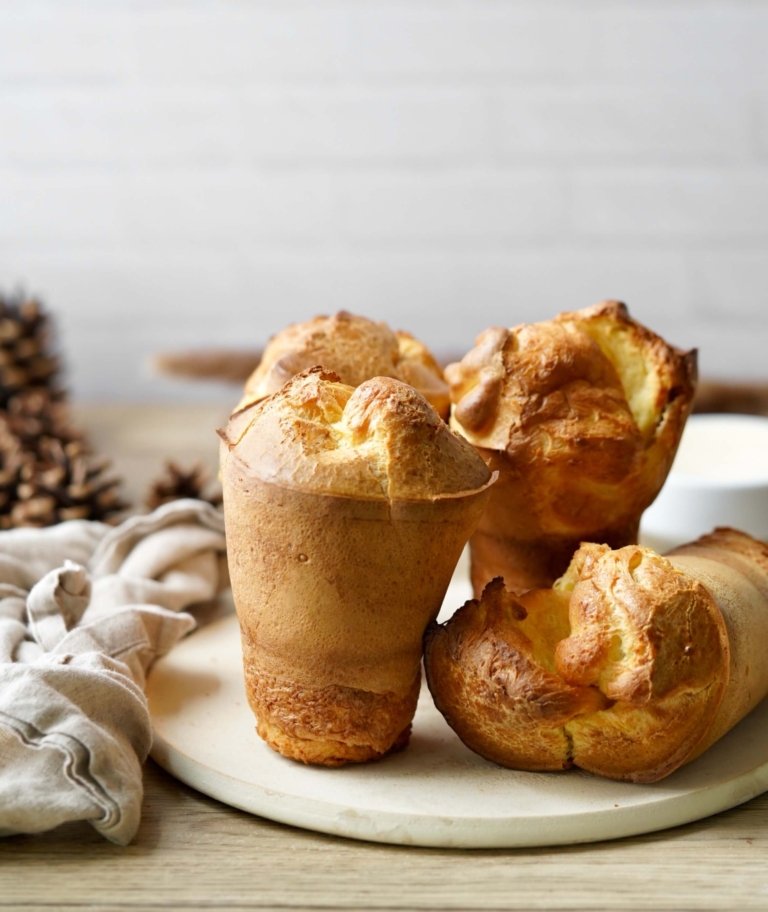
Pastry or Bread? The Great Debate
Here’s the twist: popovers are technically considered a pastry, not a bread. Why? It’s all in the batter. A high moisture content, plenty of eggs, and zero yeast give popovers their signature lift — think steam power, not kneading power. They’re crisp on the outside, tender on the inside, and light as air. Sure, they share some traits with bread (they bake up golden and crusty), but their ethereal texture firmly places them in the pastry camp.
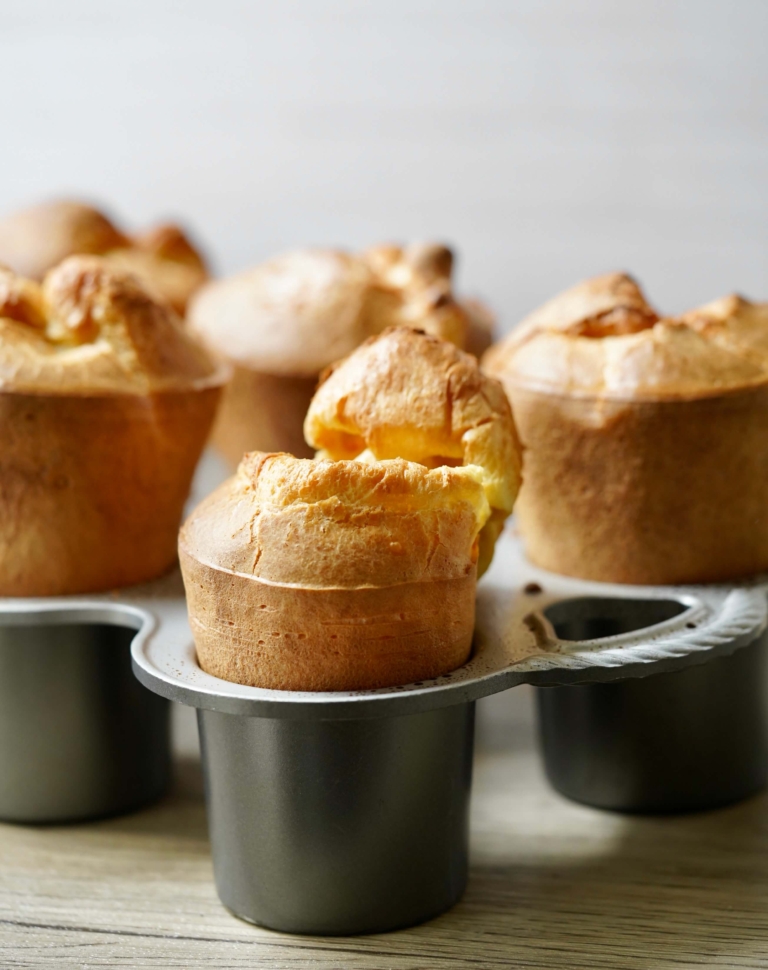
Popovers get their impressive height thanks to that steam-driven magic. When baked in a special popover pan with tall sides (like this one), the batter climbs and puffs to perfection. Timing is everything — serve them immediately out of the oven to enjoy their delightful, hollow puff before it settles.
Flour Power
The type of flour you use, however, can change the popover game entirely:
- All-purpose flour creates a tender crumb (my go-to).
- Bread flour gives you a chewier texture.
- Wondra flour creates an extra crisp crust.
Whichever you choose, popovers are as forgiving as they are dramatic — and I’ve yet to meet a batch I didn’t swoon over.
Thanksgiving Go-To
Yes, dinner rolls have their place, but Thanksgiving popovers are an elegant upgrade. Their light, airy structure makes them a perfect counterpoint to all the heavy holiday fare — they soak up gravy like a dream and add a touch of showmanship to your table. Plus, they free up valuable oven space (they bake quickly and require minimal fuss). It’s no wonder popovers are quietly becoming the unsung heroes of modern Thanksgiving spreads, at least in my house.
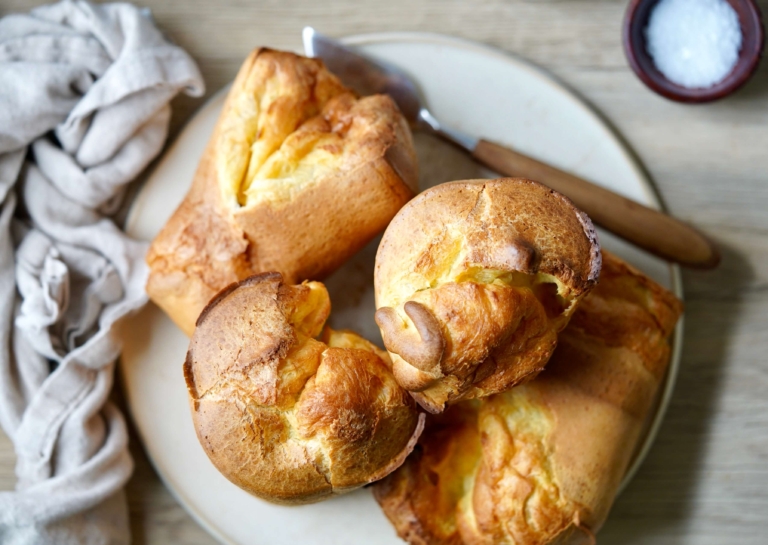
Serving Suggestions
Here are a few delicious ways to serve popovers year-round:
- Classic Butter & Jam: Keep it simple with warm popovers, creamy butter, and your favorite jam.
- Savory Fillings: Think scrambled eggs and cheese, smoked salmon with cream cheese, or even chicken salad for brunch.
Herb Butter: Whip up a butter infused with rosemary, thyme, or chives for an aromatic twist. - Cheese Board Companion: Popovers + cheeses, charcuterie, and fruit = instant appetizer magic.
- Soup or Stew Dipper: Ideal for dipping into a cozy bowl of soup or a hearty stew.
- Dessert: Fill with whipped cream and berries, drizzle with chocolate sauce, or dust with powdered sugar.
- Holiday Showstopper: Add popovers to your Thanksgiving or Christmas table — they pair beautifully with roasted turkey, veggies, and all the trimmings.
Whether you serve them plain, sweet, or savory, popovers never fail to impress. They’re easy to make, endlessly adaptable, and perfect for everything from lazy Sunday breakfasts to festive holiday feasts. So, preheat your oven, gather your ingredients, and prepare to witness a little kitchen magic — one puff at a time.
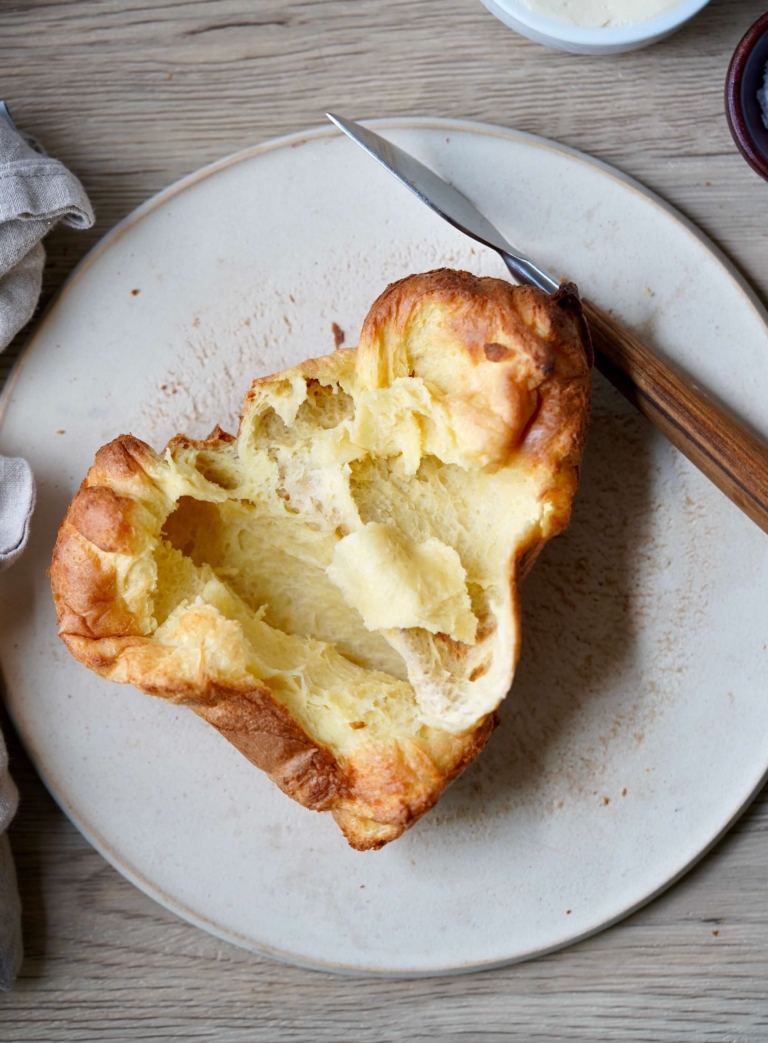
Popovers

Ingredients:
- 4 eggs, room temperature
- 1 1/2 cups whole milk, lukewarm, about 125 degrees F
- 3/4 teaspoon Kosher salt
- 1 1/2 cups all-purpose flour, leveled
- 3 tablespoons unsalted butter, melted and cooled slightly
- Vegetable oil, for greasing the pan
Directions:
- Preheat the oven to 450 degrees F. Place the oven rack in the bottom third position to give the popovers lots of room to rise.
- Using a kitchen blender, add the eggs, milk, salt, and flour and blend, scraping down the sides as necessary, until smooth. Add the melted butter and blend again until slightly frothy. Allow the batter to rest for 15 minutes.
- Place a 6-slot popover pan on a baking sheet and place in the oven for a few minutes to heat.
- Carefully remove the popover pan and, using a pastry brush, lightly oil inside the wells and the outside rim of the pan with vegetable oil. Pour the batter evenly into the greased popover wells.
- Place in the oven and bake 20 minutes without opening the oven door. Reduce the heat to 350 degrees F (again ideally without opening the door), and bake for an additional 8-10 minutes, until they're tall, have "popped" over the tops of the pan, and are a deep, golden brown. Check on the popovers by turning on the oven light to avoid opening the oven door unnecessarily.
- Once golden, remove the popovers from the oven, and pierce the top or bottom of each with the tip of a pairing knife to release steam and help prevent them from getting soggy.
- Carefully remove the popovers from the pan and serve immediately.