Italian Sweet Ricotta Pie

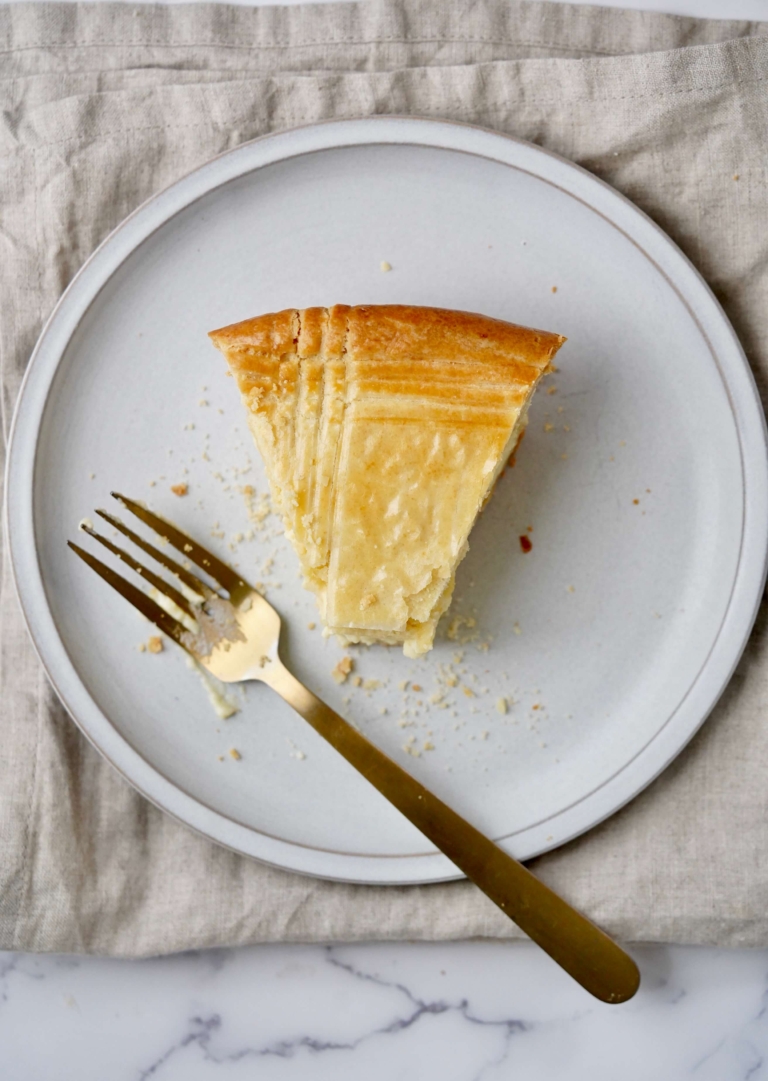
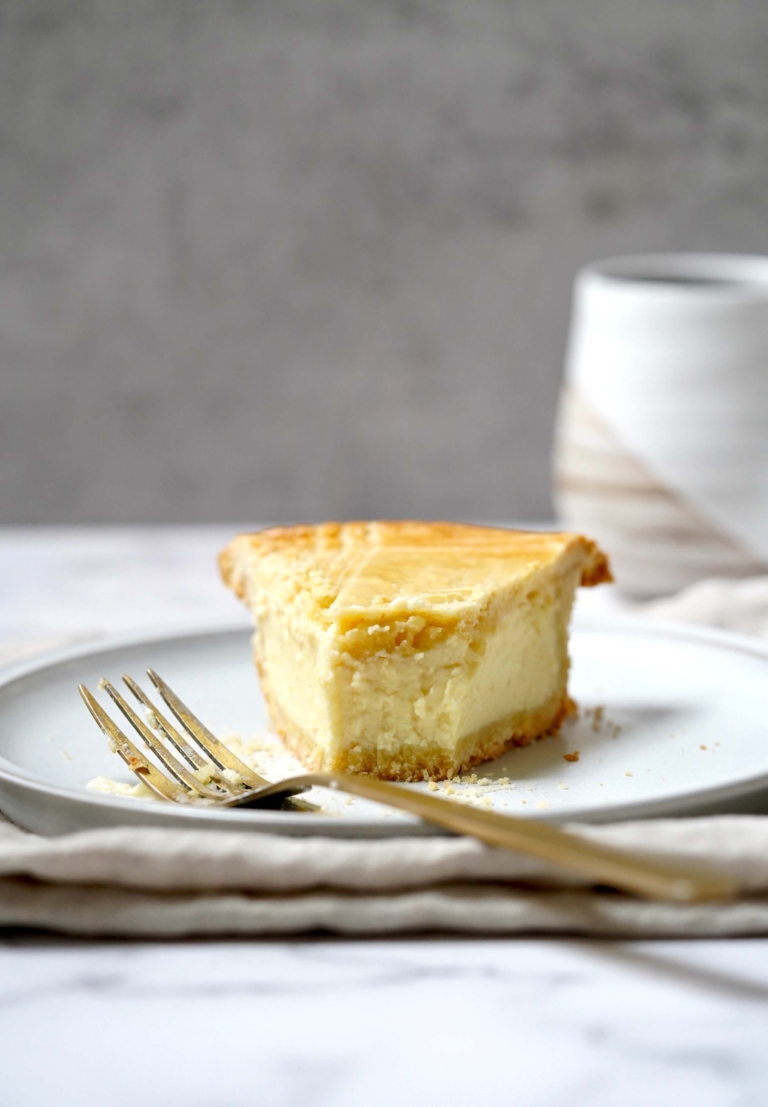
Sweet ricotta pie is one of those desserts that quietly confuses people—in the best way possible. It looks like a pie, slices like a pie, and shows up on dessert tables next to pies…yet it eats more like a cheesecake’s lighter, less dramatic cousin. If you’ve never had one, think creamy but not dense, gently sweet rather than sugary, and just rich enough to feel indulgent without immediately sending you into a nap.
At its core, sweet ricotta pie is built around fresh ricotta cheese, which gives the filling a soft creaminess that feels rustic and refined all at once. The flavor is subtle and comforting: lightly sweet, delicately milky, often scented with vanilla, lemon, or a hint of vanilla. It’s not trying to overwhelm you—it’s the kind of dessert that leans in close and whispers instead of shouting. Perfect for people who “don’t usually like desserts,” yet somehow go back for seconds.
Italy
Historically, sweet ricotta pie traces its roots to Italy, particularly the southern regions where ricotta has long been a staple of both savory and sweet cooking. Italian immigrants brought versions of it with them to the United States in the late 19th and early 20th centuries, where it became a fixture at Easter celebrations, alongside other ricotta-based desserts. Over time, it evolved—slightly richer here, a little sweeter there—but always stayed true to its humble, dairy-forward origins.
Easter Favorite
While bright, sugary Peeps get much of the attention this time of year, sweet ricotta pie deserves a place on the table year-round. It’s often served after holiday meals or at family gatherings—anytime you want a dessert that complements rather than competes with the main course. That’s exactly why I think of it as the ultimate “anytime” pie: just as fitting with a morning coffee as it is after dinner, and always satisfying without a hint of regret.
Mix It Up
There are plenty of variations, too. Some versions include chocolate chips, candied citrus peel, or a whisper of almond flavor. Others lean more custardy or more cake-like, depending on regional preferences and family tradition. Some bakers use a single crust, others sandwich the filling between two—my personal favorite, because that top crust does more than just show up for looks.
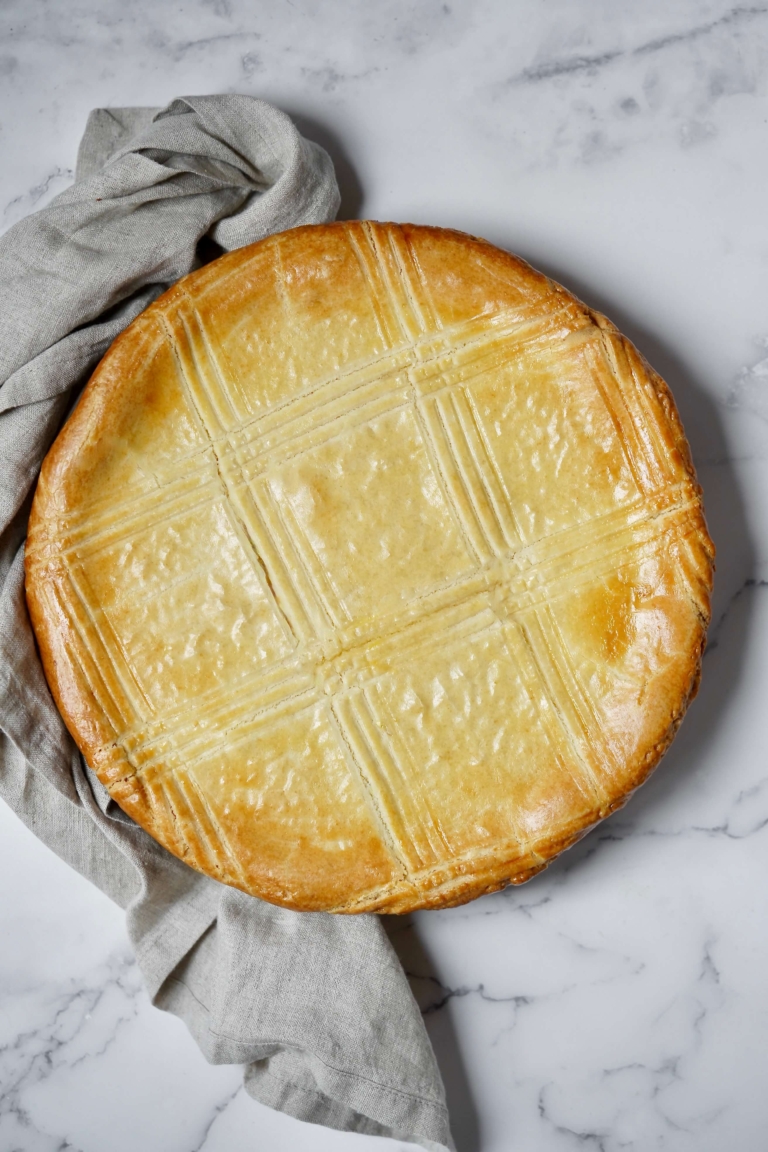
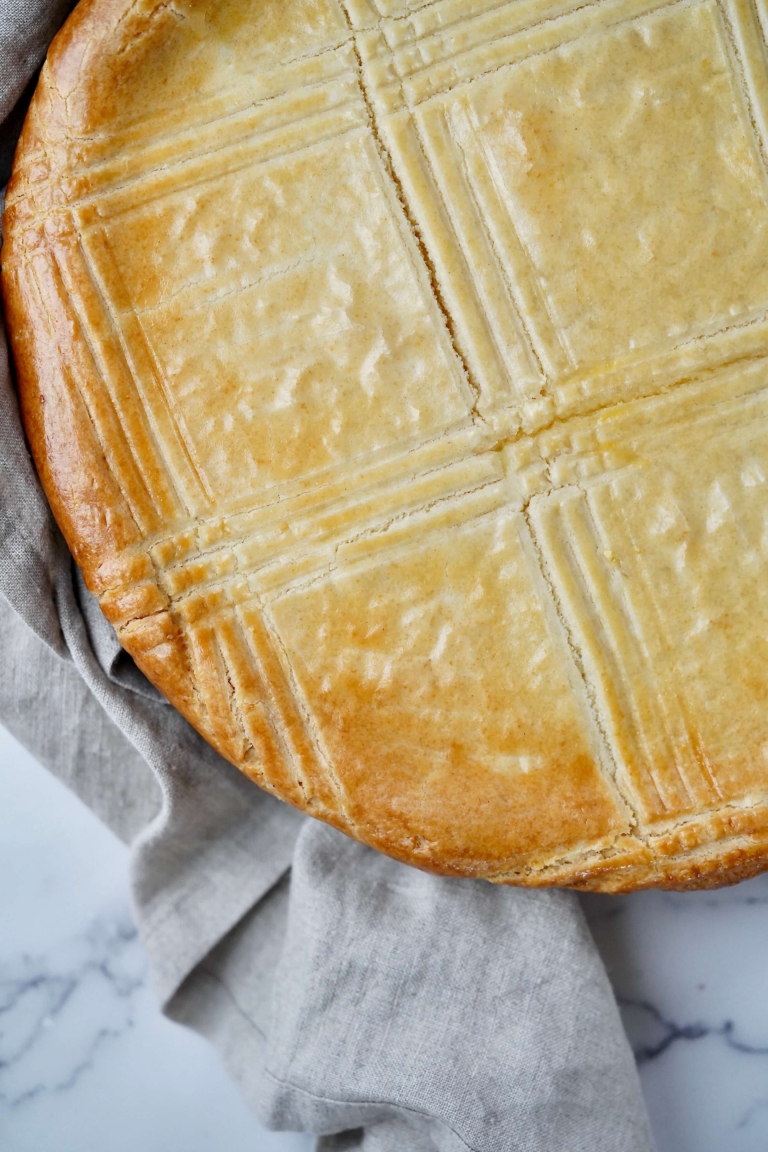
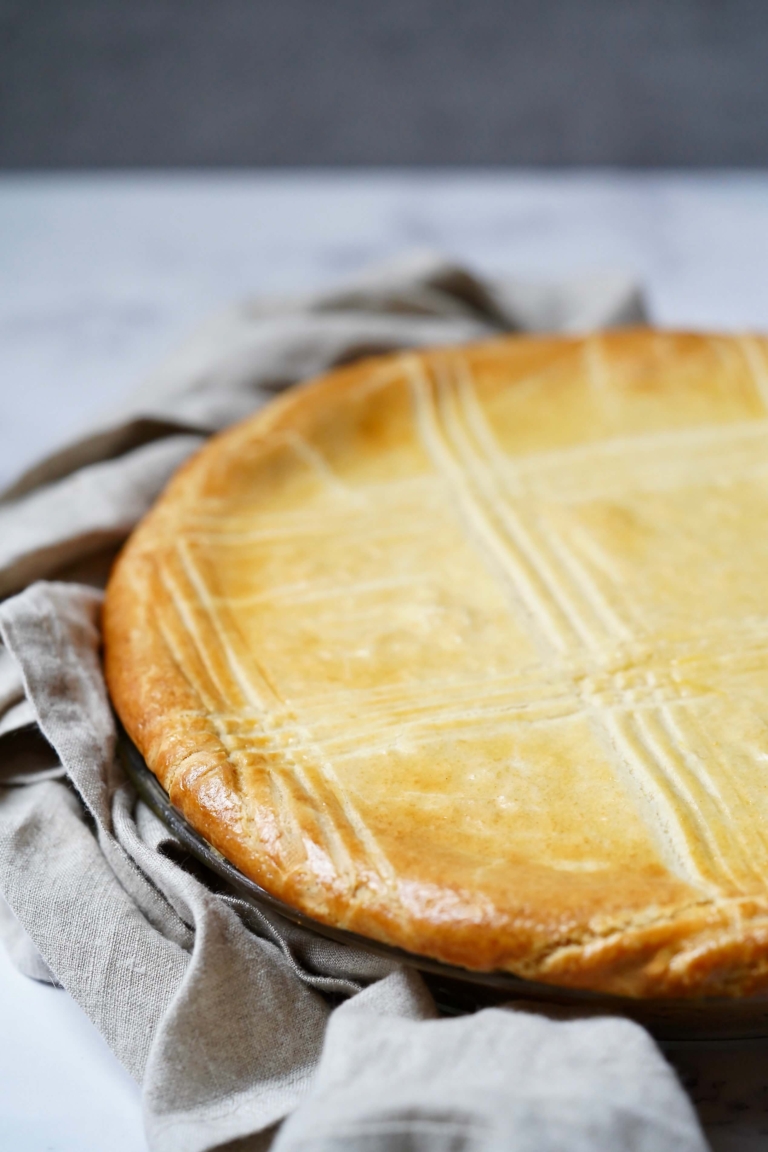
Lightly etched with a fork, the top crust creates a simple criss-cross pattern that’s both functional and beautiful. Those tiny lines allow steam to escape while baking, helping the filling set just right, and they add a rustic charm that feels intentional without trying too hard. It’s proof that sometimes the easiest decorative touch is also the most effective.
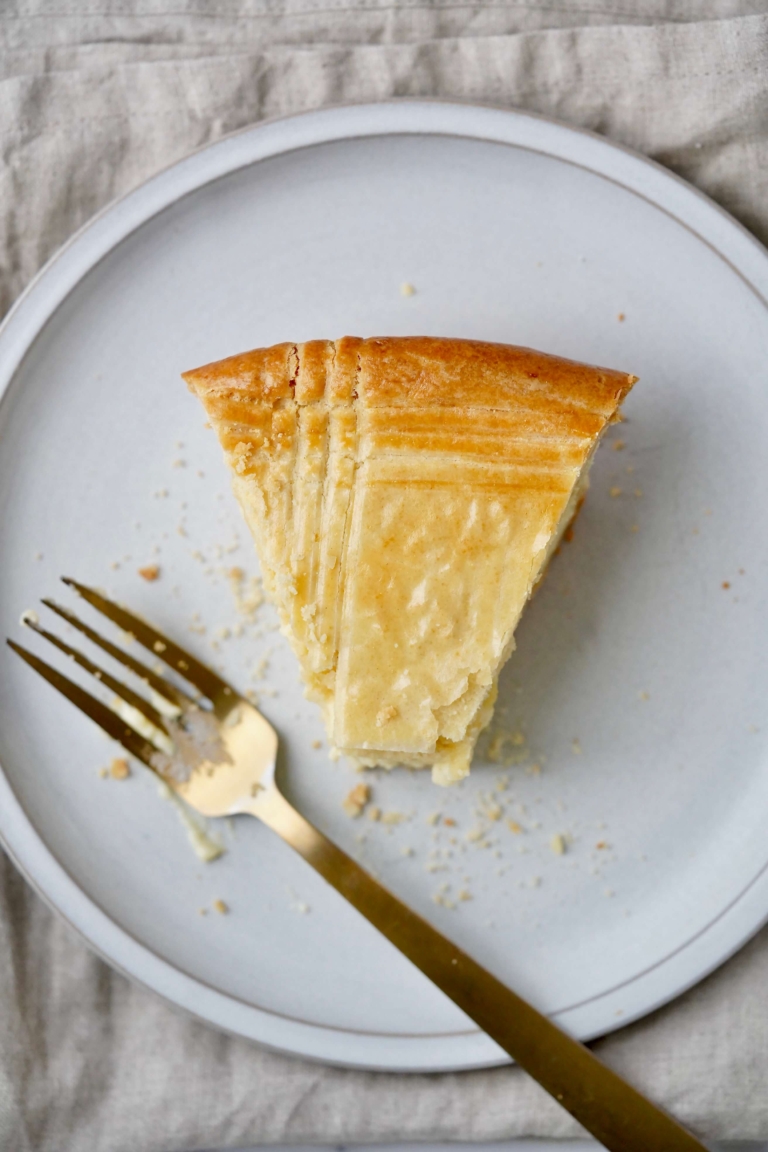
Working with ricotta when baking does come with one important note: moisture matters. Ricotta that’s too wet can lead to a filling that struggles to set, tipping the pie from creamy into soggy territory. Using a lower-moisture ricotta—or taking a few extra minutes to strain it—makes all the difference. It concentrates the flavor, improves the texture, and helps the pie bake up smooth, sliceable, and beautifully balanced.
Sweet ricotta pie may not be flashy, but that’s part of its charm. It’s comforting, unfussy, and deeply rooted in tradition, yet flexible enough to feel relevant any day of the year. A dessert that doesn’t demand attention—but earns it anyway, one quietly perfect slice at a time.
Italian Sweet Ricotta Pie

Ingredients:
For the Dough:
- 3 cups all-purpose flour
- 1/2 cup Confectioners' sugar
- 1/2 teaspoon baking powder
- 1 teaspoon lemon zest
- 1/2 teaspoon Kosher salt
- 1 cup unsalted butter, small dice
- 2 eggs
For the Ricotta Filling:
- One (32-ounce) container of whole-milk ricotta, strained if very watery
- 3/4 cup sugar
- 4 eggs
- 1 teaspoon freshly squeezed lemon juice
- 1 teaspoon lemon zest
- 1 1/2 teaspoons vanilla extract
- 1 egg mixed with 1 teaspoon cold water, for egg wash
Directions:
- Preheat the oven to 375 degrees F.
- To the bowl of a food processor, such as a Cuisineart, fitted with a blade attachment, add the flour, Confectioners' sugar, baking powder, lemon zest, and salt, and pulse on and off until well combined.
- Add in the butter and pulse until the butter is broken down into tiny pieces.
- With the mixer on, add in the eggs and let the dough process until it forms together into a ball around the blade, about 1 minute.
- Transfer the dough to flour dusted work area. Divide the dough in half.
- Roll out half of the dough to a rough 11-inch circle and place it inside a 9″ deep-dish pie plate, tucking the ends of the pastry underneath themselves to form an edge.
- Use a fork to pierce the bottom of the pastry multiple times to allow the steam to escape when baking. Place the pastry in the freezer to chill while the oven preheats.
- Roll out the other half of the dough into a slightly smaller 10-inch circle. Place the pie dough on a flat surface (such as a sheet pan) that can fit in your refrigerator. Cover and transfer to the refrigerator to chill.
- Remove the bottom crust from the freezer, line the pastry with a round piece of parchment paper, then add pie weights to fill, making sure to push them up against the edges. Place the pie shell in the oven and bake on the lower rack for 20 minutes, then remove it and remove the parchment and pie weights. Return to the oven and bake for an additional 5 minutes. Remove from the oven and let cool for about 15 minutes.
- While the pie shell is cooling, make the filling. To a large mixing bow add the ricotta and whisk for 30 seconds until lightened. Add the sugar, eggs, lemon juice, lemon zest, and vanilla extract and whisk together until well combined.
- Pour the filling into the slightly cooled pie shell. Prepare the egg wash.
- Remove the rolled-out top crust from the refrigerator. Score the top crust with the fork in a lattice pattern by evenly pressing and dragging the fork on the pastry, but make sure not to cut completely through the pastry.
- Using a pastry brush, lightly brush the egg wash on the top crust as well as on the edges of the baked bottom pie crust. Transfer the top crust pastry on top of the ricotta filling. Seal the top crust into the edges, and cut off any excess dough with a paring knife.
- Place the pie on a sheet pan in the middle part of the oven and bake for 40-50 minutes, or until the top is golden and shiny and the filling has jhas just started to puff, leaving just a small portion in the middle that has not risen.
- Remove the pie from the oven and allow it to cool for 2 hours before slicing. Serve at room temperature or cold.