
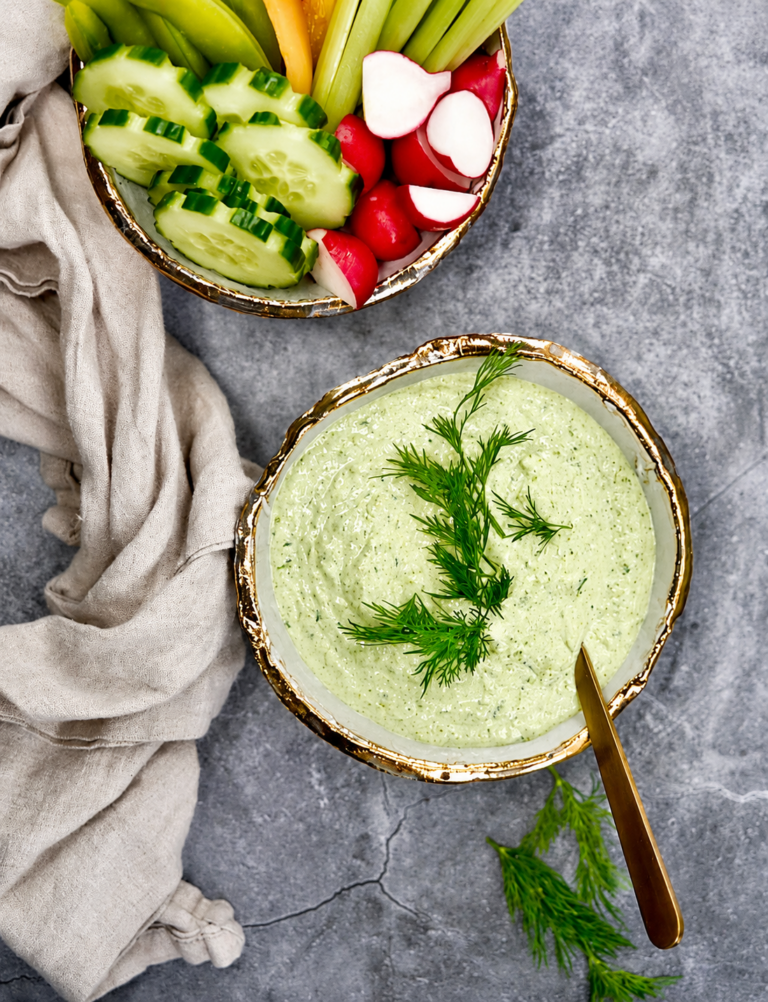
You can never have too many dip recipes, especially during the summer when farmers’ markets and grocery stores are overflowing with an abundance of beautiful, fresh vegetables at their peak. While asparagus is most often roasted, grilled, or tossed into pasta, it also makes an incredibly delicious dip. Creamy, fresh, and bright with dill, it’s the kind of appetizer that disappears quickly, whether you’re serving it with crisp vegetables, crackers, chips, or even spreading it on a sandwich.
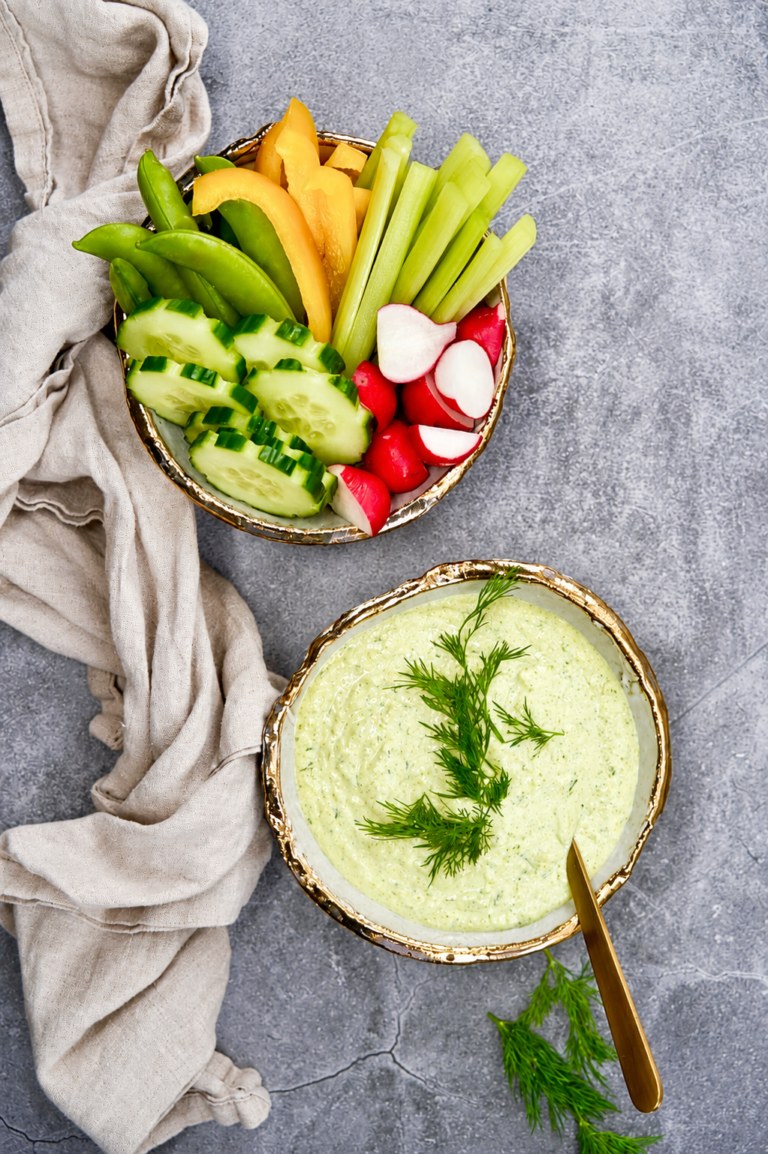
I told a friend recently that I often serve a crudité platter with dinner. She thought I was kidding, but I wasn’t. It’s one of the easiest sides to pull together, and more importantly, it practically guarantees my kids eat their vegetables. The secret, of course, is the dip. A good dip can make even the most skeptical vegetable eater come back for seconds, and this fresh asparagus dip has become one of my favorites to make while asparagus is in season.
Tips for Making Dips
- How long will fresh vegetable dip last? Stored in an airtight container in the refrigerator, this dip will keep for up to 3 days.
- Can dips be frozen? Unfortunately not. Dairy-based dips don’t freeze well and tend to separate once thawed.
- Can I make a lighter version? Yes. Substitute light mayonnaise and light sour cream for a lighter dip with very little difference in flavor.
- What should I serve it with? Fresh vegetables, crackers, pretzels, pita chips, tortilla chips, potato chips, toasted bread, or use it as a flavorful sandwich spread.
- Can I substitute dried herbs for fresh? I wouldn’t recommend it. Fresh herbs give this dip its bright, clean flavor, while dried herbs simply don’t have the same impact.
The Health Benefits of Asparagus
Asparagus is one of those vegetables my family happily eats on repeat while it’s in season. Not only is it delicious, but it’s packed with nutrients. It’s an excellent source of fiber, folate, vitamins A, C, E, and K, along with chromium, a trace mineral that helps insulin transport glucose from the bloodstream into cells. One cup of cooked asparagus contains only about 40 calories, 4 grams of protein, 4 grams of fiber, and roughly 400 milligrams of potassium.
Green asparagus is the variety most of us know best, but you may also come across white asparagus, prized for its delicate flavor and labor-intensive growing process, and purple asparagus, which has a slightly sweeter, fruitier taste. While each variety has its own personality, they’re all rich in nutrients and worth adding to your plate whenever you can.
Cooking Asparagus
While some recipes call for roasting the asparagus first, I prefer to blanch it briefly in boiling water before shocking it in ice water. That quick step preserves its fresh, grassy flavor while locking in its vibrant green color, giving the finished dip a bright, fresh taste that feels like spring in every bite.
Asparagus Dip

Ingredients:
- 10 ounces fresh asparagus, trimmed and cut into 2-inch pieces
- 2 scallions, trimmed and roughly chopped
- 1 small garlic clove, grated
- 2 tablespoons Parmesan cheese, grated
- 1/3 cup full-fat sour cream
- 1/3 cup cream cheese
- 1/2 lemon, juiced
- 1 tablespoon fresh dill
- 1/2 teaspoon Kosher salt
- Freshly ground black pepper to taste
Directions:
- Fill a medium-size saucepan half full with water and place over high heat and bring to a boil. Once boiling, add the asparagus and cook till tender, about 3 minutes. Drain and run under cold water to stop the cooking process.
- To the bowl of a kitchen mixer, such as a Cuisinart, fitted with a blade attachment, add the cooked asparagus, scallions, garlic, Parmesan cheese, sour cream, cream cheese, lemon juice, dill, salt, and black pepper. Blend on high until smooth and blend, scraping down the sides once or twice as needed.
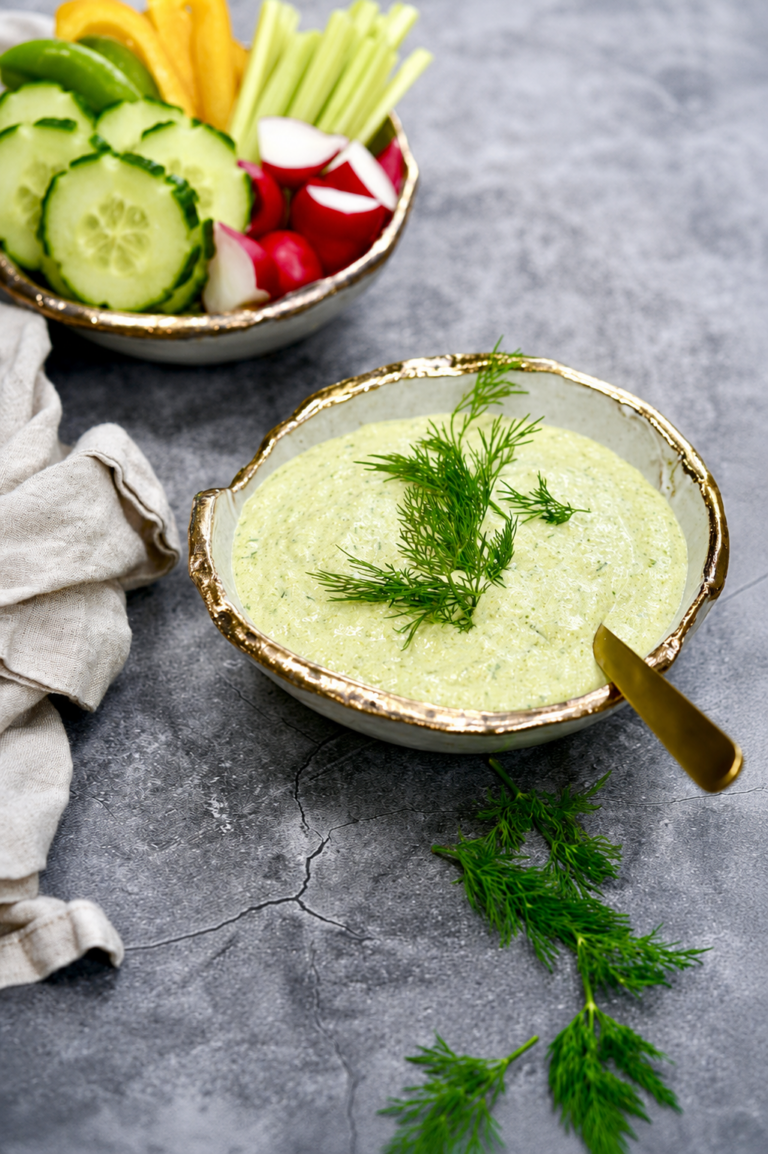
- Taste and adjust the seasoning as needed. Serve dip as is or chilled with a side of fresh-cut vegetables.