
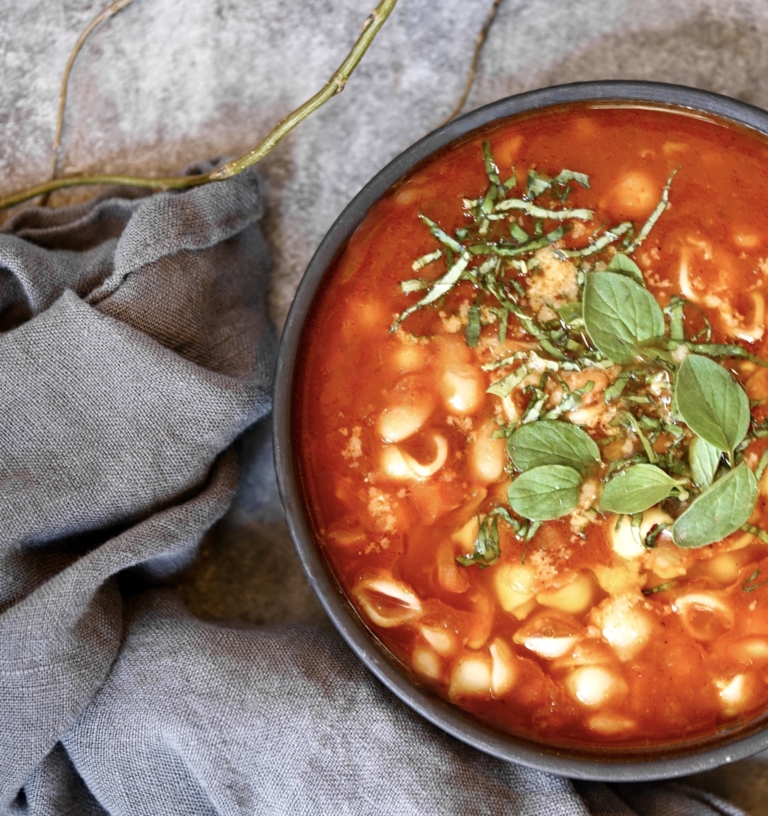
Pasta e fagioli is one of the most iconic dishes in the Italian repertoire. This rustic, nourishing classic falls somewhere between a soup and a pasta dish, making it hearty enough to stand on its own. With its rich history and humble ingredients, it’s a meal that’s absolutely worth making at home if you haven’t already.
Pasta fagioli, or pasta fazool in Italian-American slang, literally translates to “pasta and beans,” the two ingredients at the heart of this beloved dish. It began as peasant food, relying on inexpensive pantry staples to create a filling, satisfying meal. It was everyday comfort food, the kind of dish families gathered around the table to enjoy, but rarely one reserved for guests.
As with many Italian classics, recipes vary from region to region. The aromatics may change, the pasta shape may differ, and each cook has their own spin, but most versions begin with a simple broth flavored with onion, carrot, and celery. One ingredient, however, rarely changes: the beans. Although fagioli means “beans,” traditional pasta e fagioli is almost always made with cannellini beans. In some parts of Italy, you’ll occasionally find cranberry beans, but other varieties are uncommon.
Soffritto vs. Mirepoix
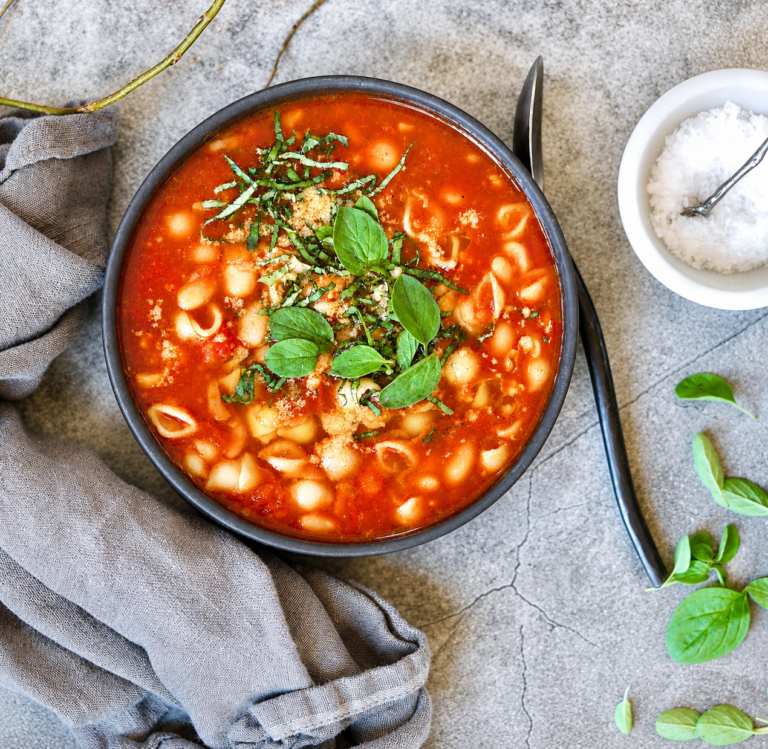
Like many classic Italian soups, pasta e fagioli begins with a soffritto. Derived from the Italian verb soffriggere, meaning “to sauté,” soffritto is more of a cooking technique than a recipe. It consists of finely diced onion, carrot, and celery slowly cooked in olive oil until softened and lightly golden, creating the flavorful foundation for countless Italian dishes.
Its French cousin, mirepoix, uses the same trio of vegetables but takes a gentler approach. The vegetables are cooked slowly in butter over low heat to draw out their natural sweetness without browning or caramelizing them.
Pasta e Fagioli vs. Minestrone
Pasta e fagioli and minestrone are often compared, but they’re quite different. Minestrone celebrates a wide variety of seasonal vegetables, while pasta e fagioli keeps the focus squarely on pasta and beans. It’s typically thicker, heartier, and closer to a stew than a brothy vegetable soup.
Pasta e fagioli is a relatively discovery for me after seeing it on restaurant menus for years. While I’d probably only order it at an authentic Italian restaurant, making it at home completely won me over. Rich, comforting, and wonderfully satisfying, it’s exactly the kind of meal I crave all winter long—and one that will be making regular appearances throughout ski season.
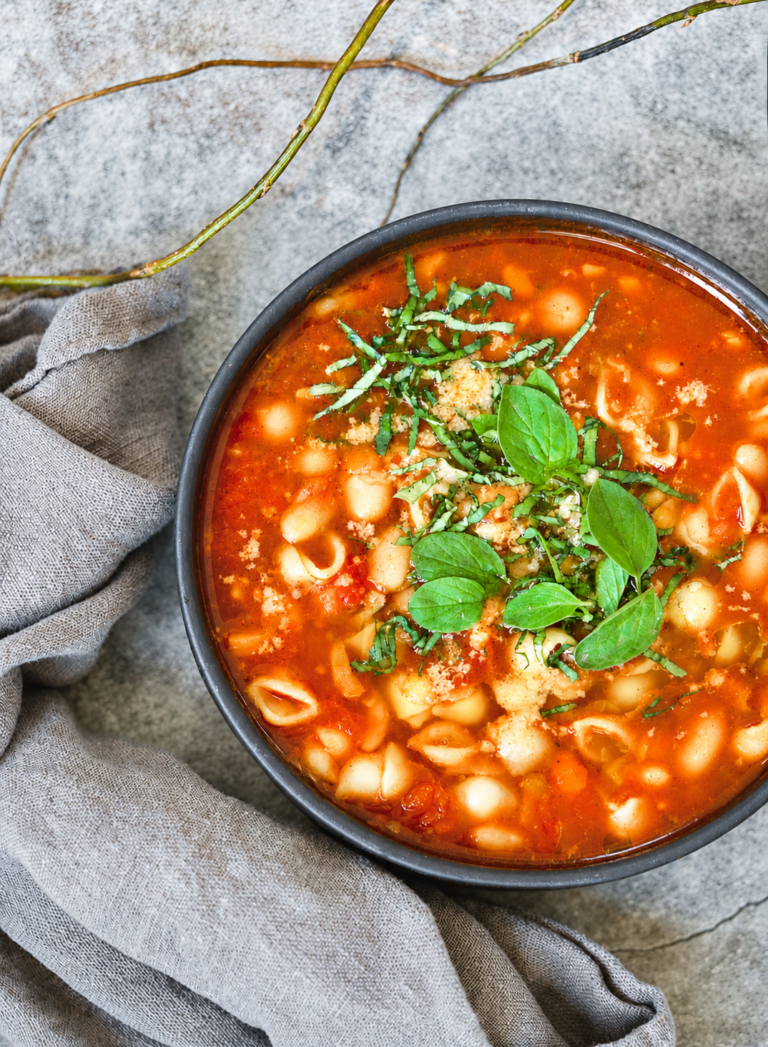
Pasta E Fagioli Soup

Ingredients:
- 2 cups dried Great Northern beans or white beans, soaked overnight
- 1 1/2 cups small pasta (such as baby shells or ditalini)
- 2 cups soaking liquid reserved
- 3 tablespoons Extra-Virgin olive oil, plus more for drizzling
- 1 yellow onion, small dice
- 2 carrots, peeled and small-dice
- 6 garlic cloves, minced
- 1 teaspoon salt
- 1/2 teaspoon black pepper
- 1 teaspoon paprika
- 2 Bay leafs
- One (15-ounce) can of crushed tomatoes
- 1/2 cup tomato paste
- 4 cups good quality vegetable or chicken stock
- 1/4 cup Parmesan cheese, for serving
- 2 tablespoons fresh basil, roughly chopped, for garnish
- 3 tablespoons fresh oregano, for garnish
- Freshly ground black pepper to taste
Directions:
- Drain and rinse the beans and set aside. Cook the pasta al dente and drain, reserving 2 cups of cooking liquid for later.
- In a Dutch oven, add the olive oil and place over medium heat. When hot, but not smoking, add the onions and carrots and cook, stirring often, until the vegetables are tender, about 3-4 minutes. Add the garlic and cook until fragrant, about 30 seconds. Add the beans, salt, pepper, paprika, bay leaves, tomatoes, tomato paste, and the reserved pasta liquid and stock, and bring to a boil. Reduce the heat to medium-low and bring to a gentle simmer.
- Cook until the beans are very tender, about 2–3 hours, depending on size and age of your beans. When the soup is ready, remove the bay leaves. Adjust the seasoning to taste as needed.
- To Serve: Divide soup among bowls. Top with Parmesan, basil, and oregano. Serve hot.